

Lionel Messi’s champions meet Lamine Yamal’s fearless Spain in New Jersey. Here is the form, tactical picture, live-market snapshot and our call before the biggest match of the summer.
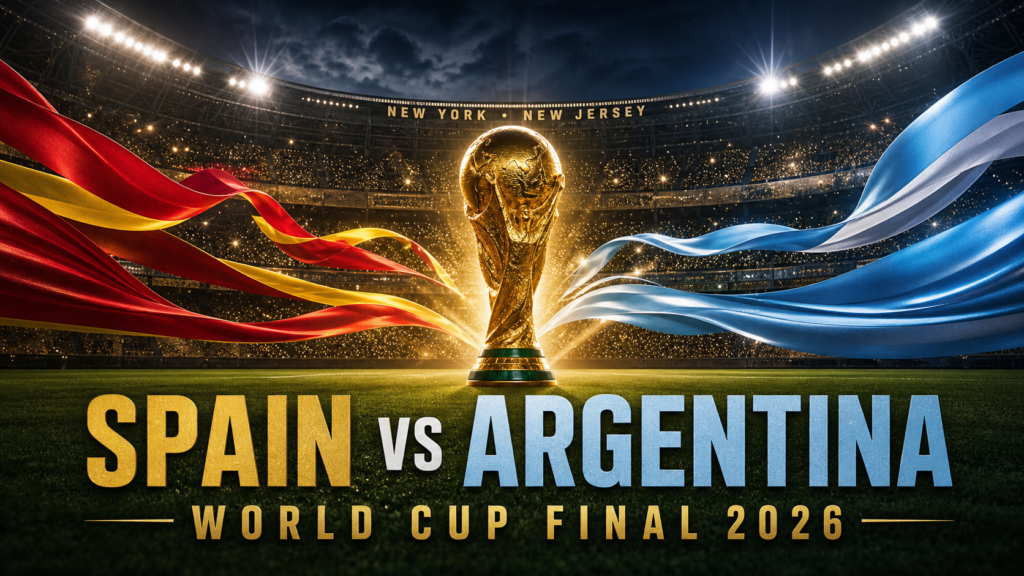
Spain vs Argentina World Cup Final 2026 is the rare final that feels both historic and completely new. Argentina can become the first nation since Brazil in 1962 to defend the men’s title. Spain, champions in 2010, can put a second star on the shirt with a group built around control, daring wide play and extraordinary youth.
The setting fits the story. FIFA awarded the final to New York New Jersey Stadium, commonly known as MetLife Stadium, with kick-off scheduled for 3:00 PM Eastern Time. It is an afternoon final on paper, but there will be nothing gentle about the pressure: the reigning champions against the tournament’s most resistant defence, Messi against Yamal, and two midfields that prefer to decide where the game is played before they decide how it is won.
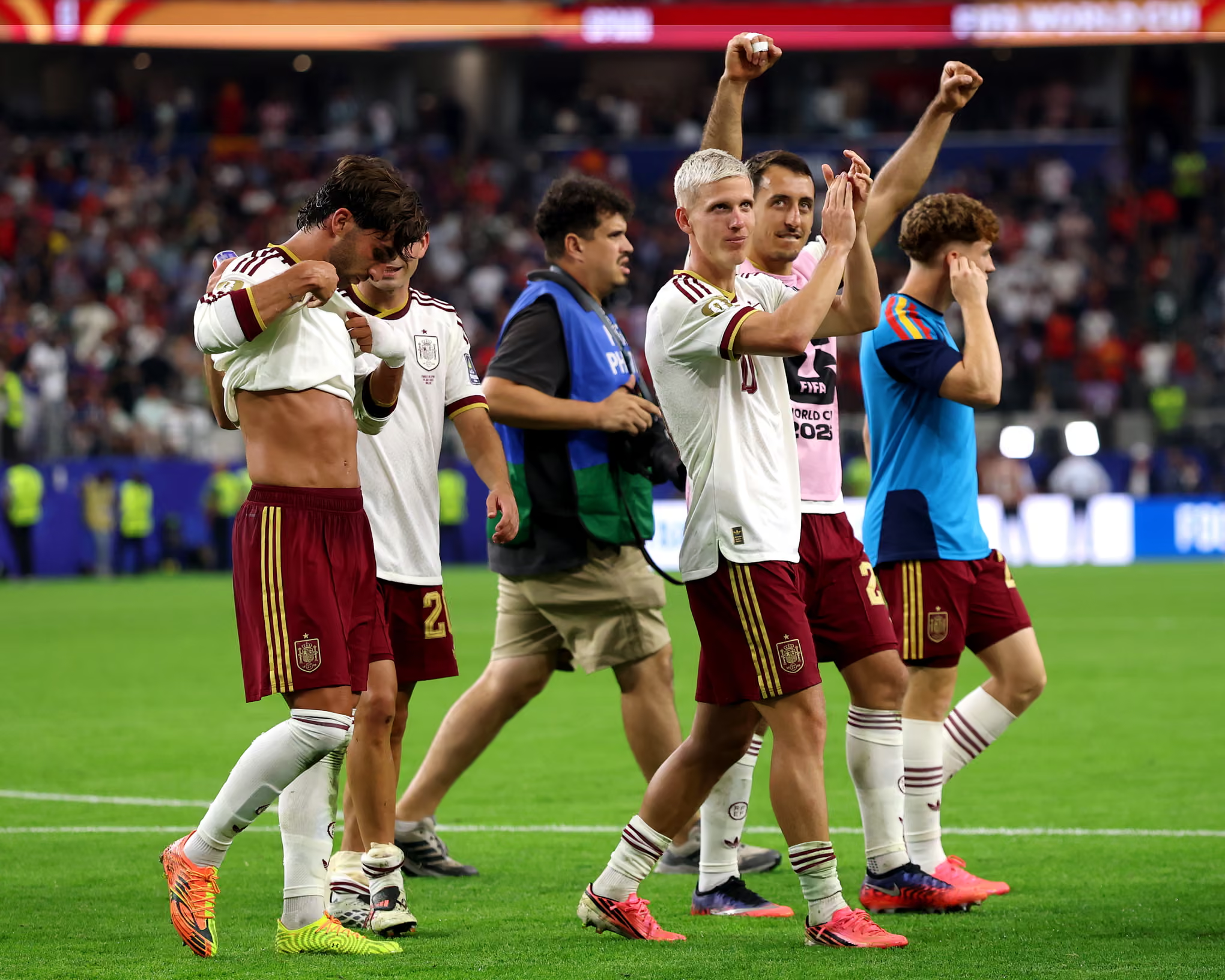
How Spain and Argentina reached the final
Spain’s route has been built on patience without passivity. Six wins and a draw tell only part of it. Their best moments have come when the ball moves quickly through the centre and the wingers receive it before the opposition block can settle. A 2–0 semi-final victory over France was a particularly mature performance: Spain did not need to turn the match into a track meet, and the clean sheet preserved a remarkable defensive record.
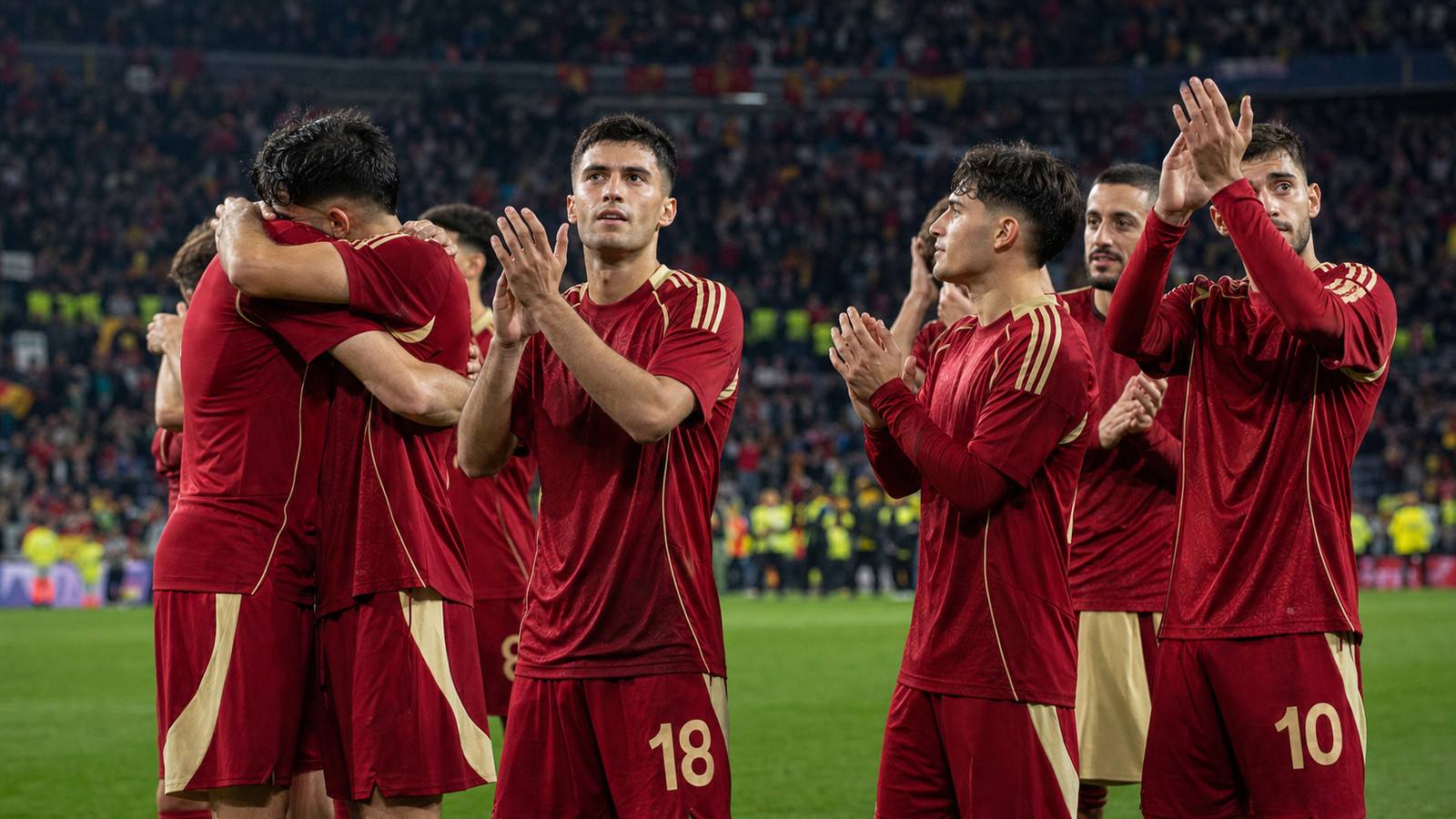
Argentina have taken a louder route. They enter with 19 goals, more than any other side in the tournament, and beat England 2–1 in the semi-final. They have not simply waited for Messi to produce something impossible. Lautaro Martínez’s movement, the midfield’s ability to win second balls and the full-backs’ willingness to advance have kept attacks alive. Still, Messi’s eight goals change every calculation a defender makes.
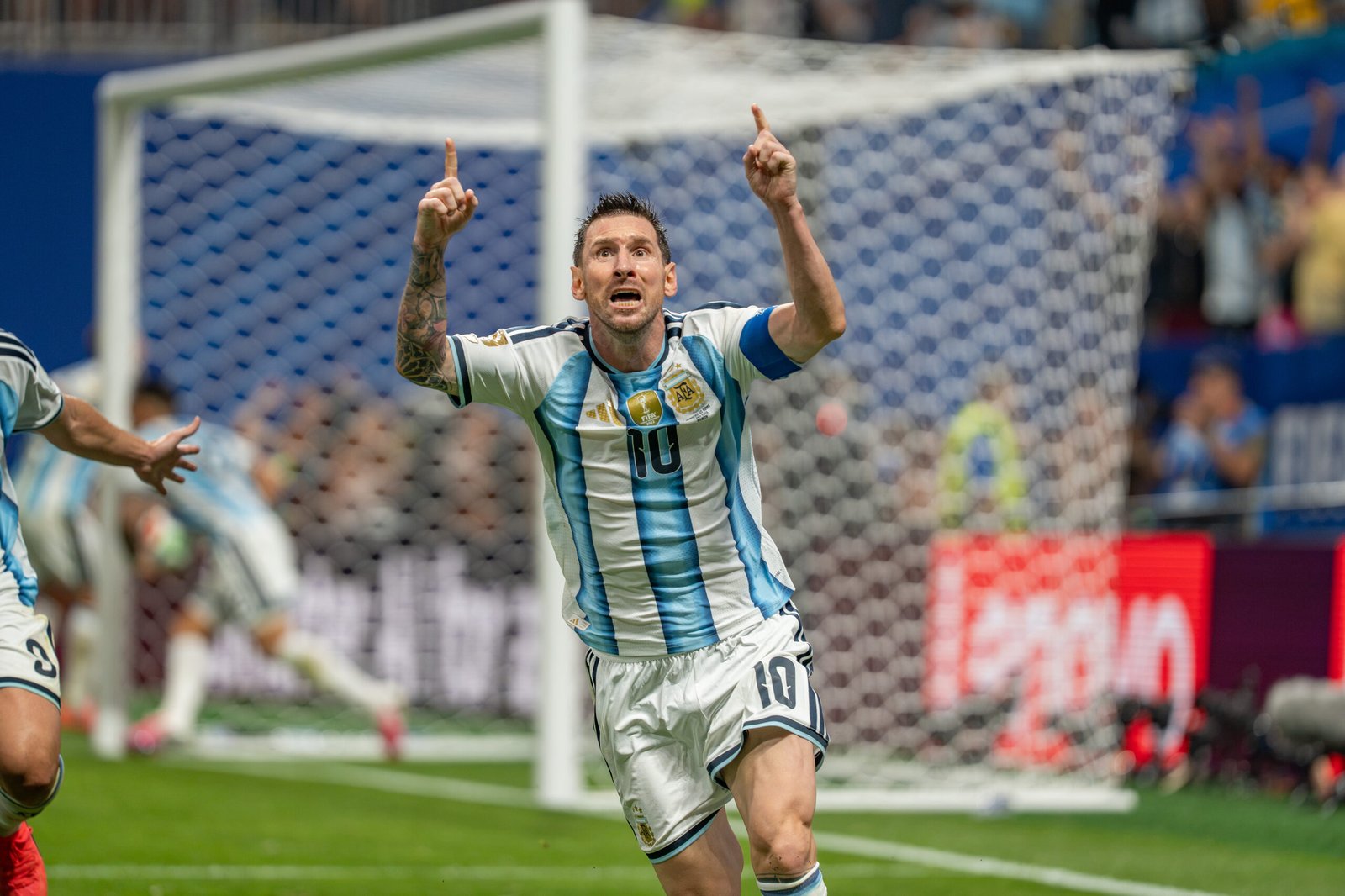
Messi’s last great final question
The temptation is to turn the final into a farewell story, but that undersells what Messi is doing now. He is not present merely as a symbol. Eight tournament goals make him the game’s clearest scoring threat, and his influence begins well before the shot. When he drops beside the central midfielders, one Spanish defender must decide whether to follow. If that player steps out, a lane opens for Martínez or a runner from deep. If nobody follows, Messi can face the back line with the ball under control.
Spain’s answer will probably be collective rather than personal. The nearest midfielder can screen the first pass while the centre-backs protect the space behind them. The danger arrives when Argentina regain possession and Messi receives before that cage has formed. Spain’s rest defence—the players left in position while they attack—may be the most important unit on the field.
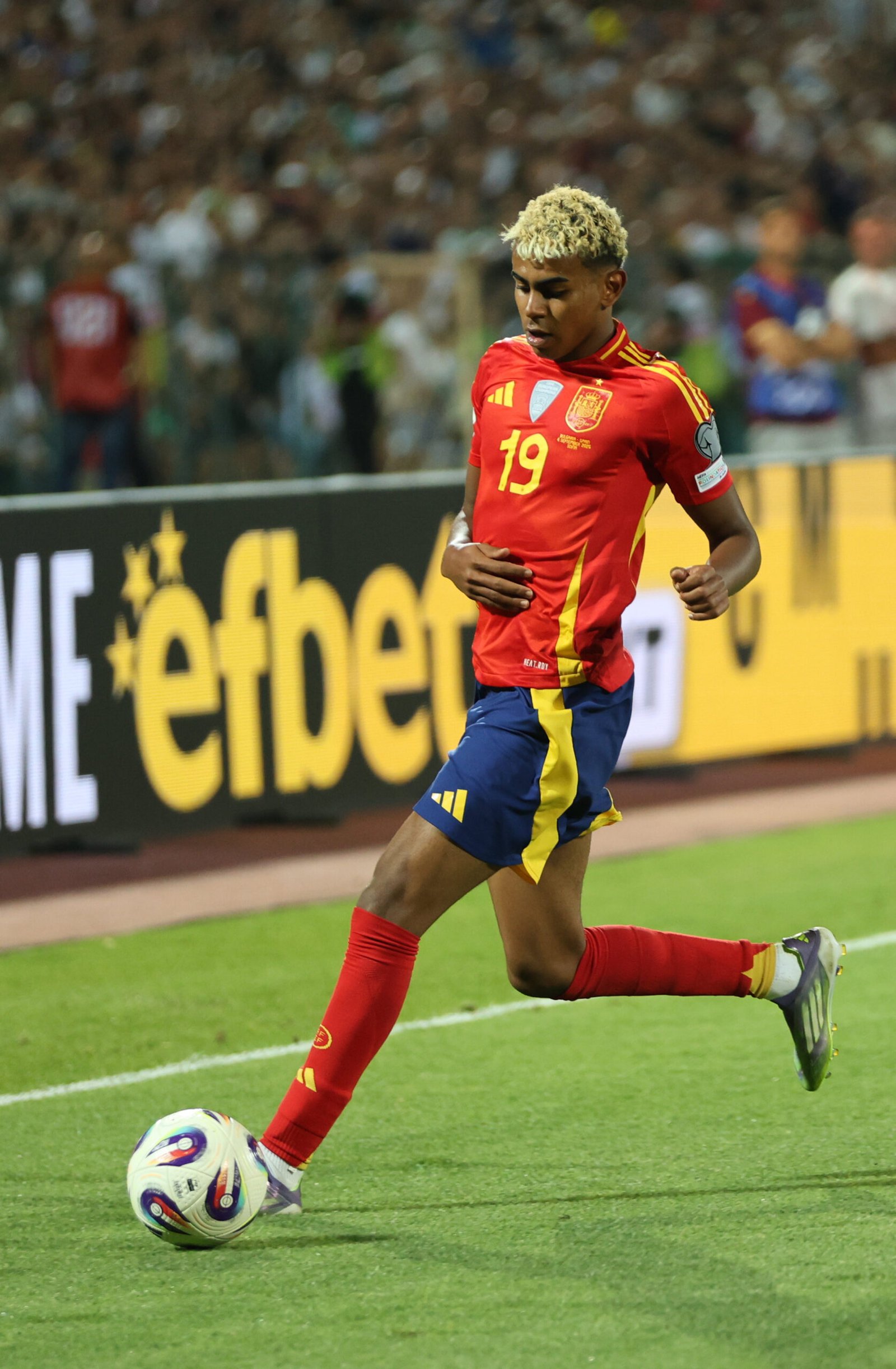
Why Lamine Yamal changes Spain’s geometry
Yamal’s age will dominate the pre-match conversation, yet his tactical value is more useful than the novelty. Spain can circulate the ball for long periods because he offers an exit when the centre becomes crowded. Give him the ball wide and he can attack the full-back; send a second defender and Spain gain a free player inside. That simple choice stretches Argentina horizontally and creates the half-space in which Spain’s midfielders thrive.
The duel on Spain’s right is unlikely to remain a pure winger-versus-full-back contest. Argentina may ask a midfielder to slide across, even if that leaves them lighter near the centre circle. Yamal does not need to complete ten dribbles to influence the final. Drawing two opponents, winning territory and forcing Argentina’s back line to face its own goal could be enough.
Spain’s winning route
Compress the game, keep five players behind the ball during attacks, and make Argentina defend repeated switches toward Yamal.
Model win probability: 59.3%
Argentina’s winning route
Break the first press, attack the channel behind Spain’s advanced full-back and get Messi possession between midfield and defence.
Market path: keep it level, then strike
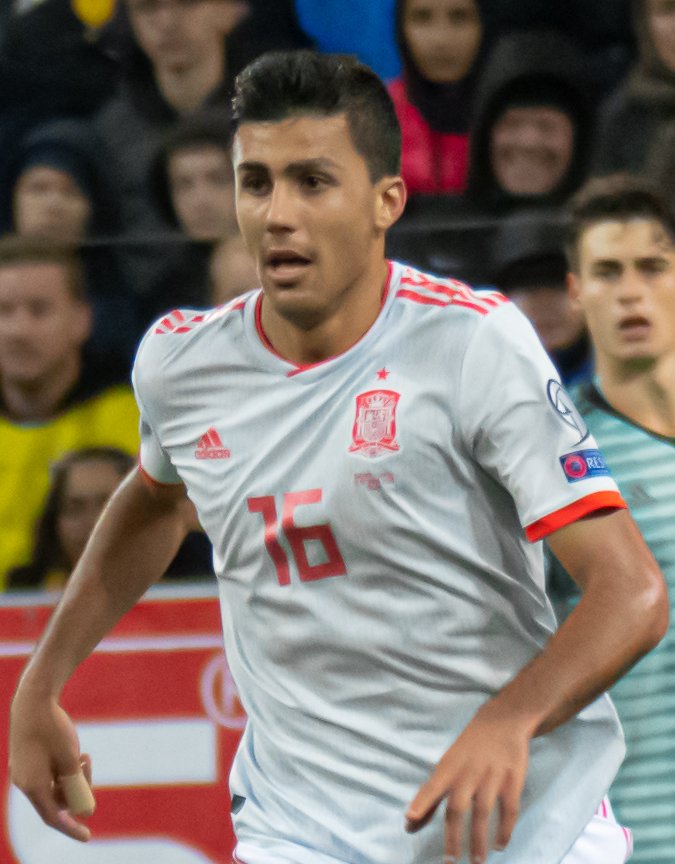
Spain tile photo: Rolandhino1 / Wikimedia Commons, CC BY-SA 4.0. Source.
The midfield match that may decide everything
Rodri is the hinge in Spain’s structure. His passes are important, but his position after those passes matters more. If he stays connected to the centre-backs, Spain can recycle an attack and stop Argentina’s first counter. If he is pulled too far toward one side, Messi may find the pocket on the other. This is where the final becomes a contest of small distances rather than spectacular actions.
Argentina’s midfield must choose its moments to press. Chasing every Spanish pass would invite combinations around the first line. Sitting too deep would allow Spain to camp outside the penalty area. A selective press—triggered by a backwards pass, a poor first touch or a receiver facing his own goal—offers a better route. The first ten minutes should reveal whether Argentina want disruption or restraint.
Spain vs Argentina odds
Prices below are a snapshot, not a promise. Sportsbook markets move with team news and betting volume, so check the current number and local rules before making any decision. The broad market message is consistent: Spain are favoured to lift the trophy, while a low-scoring match is considered more likely than an open contest.
| Market | Selection | Indicative odds |
|---|---|---|
| To lift the trophy | Spain | -156 to -160 |
| To lift the trophy | Argentina | +125 to +136 |
| 90-minute result | Spain | +130 |
| 90-minute result | Draw | +190 |
| 90-minute result | Argentina | +255 to +270 |
| Total goals | Under 2.5 | -170 |
Odds checked 18 July 2026 from published DraftKings/FanDuel market snapshots. Odds can change. Betting involves financial risk; never stake money you cannot afford to lose. Availability and age restrictions vary by location.
Possible team news and selection calls
Spain are expected to remain without Yeremy Pino and Víctor Muñoz. Argentina have monitored Facundo Medina, while Messi was reported fit despite taking a facial knock earlier in the tournament. Final line-ups will matter because the tactical shape changes depending on whether Argentina use a fixed striker or build a more fluid front line around Messi.
Spain have less reason to alter a formula that has conceded once. Their most meaningful selection choice may be about the balance around Yamal: whether to add another runner close to him or preserve an extra controller inside. Argentina’s choice is more philosophical. They can pick a side designed to survive Spain’s possession, or one built to punish it.
Our prediction
The final should be tighter than the star names suggest. Spain have allowed only one goal, Argentina know how to manage a final, and both teams possess enough counter-attacking threat to discourage reckless numbers forward.
Prediction: Spain 1–1 Argentina after 90 minutes; Spain to win 2–1 after extra time. Argentina’s best spell may arrive just after half-time, but Spain’s ability to keep the ball and refresh the wide areas gives them a narrow edge as legs tire.
Spain to lift the trophy
Explore football gear and sports footwear from AS SportsNation.
Spain vs Argentina World Cup Final FAQs
When is the Spain vs Argentina World Cup Final 2026?
The final is scheduled for Sunday, 19 July 2026, with kick-off at 3:00 PM Eastern Time.
Where will the 2026 World Cup final be played?
It will be played at New York New Jersey Stadium in East Rutherford, New Jersey, widely known as MetLife Stadium.
Who is favoured to win Spain vs Argentina?
Spain are the pre-match favourite in the published market snapshots reviewed on 18 July, both in 90-minute betting and to lift the trophy. Prices can change before kick-off.
What is the Spain vs Argentina prediction?
Our prediction is 1–1 after 90 minutes, with Spain winning 2–1 after extra time.
How many World Cups have Spain and Argentina won?
Spain won their first men’s World Cup in 2010. Argentina have three titles and are trying to win a fourth, as well as become the first back-to-back champions since Brazil in 1962.
Which players should fans watch in the final?
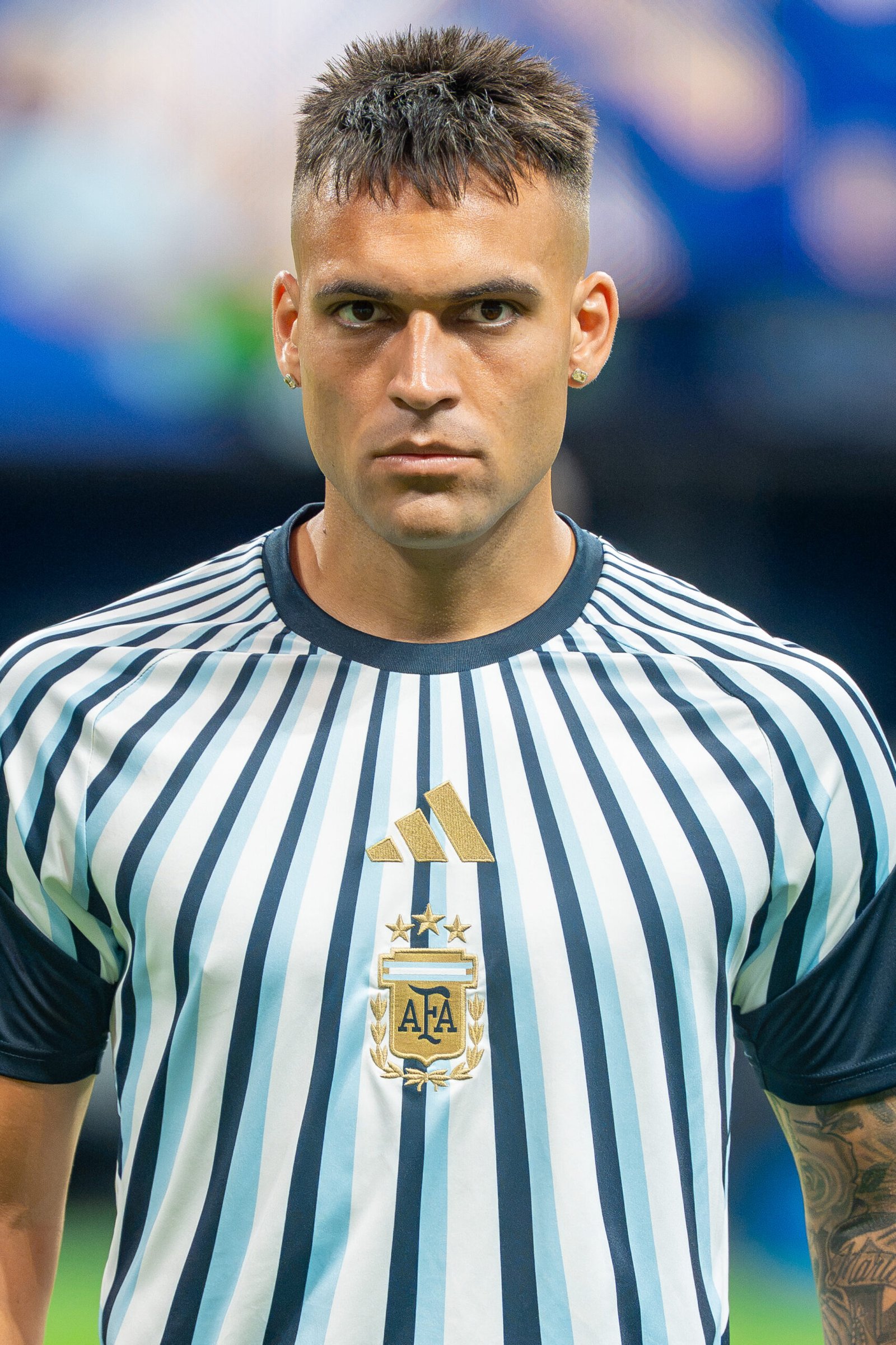
Lionel Messi, Lamine Yamal, Rodri and Lautaro Martínez are central to the tactical story. Messi and Yamal can create from wide or inside positions, Rodri controls Spain’s spacing, and Martínez stretches the defence.




.jpg)
