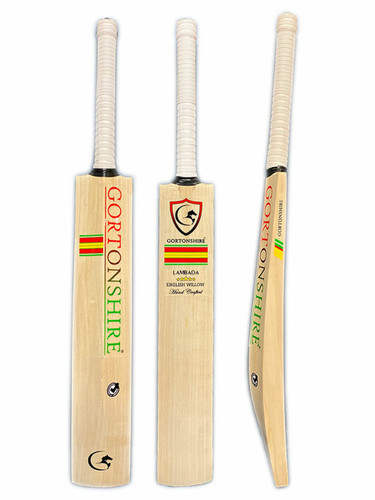
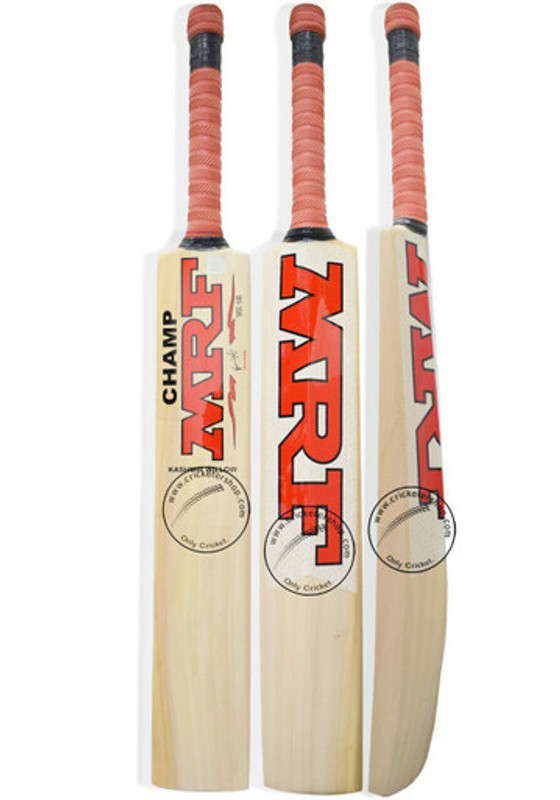
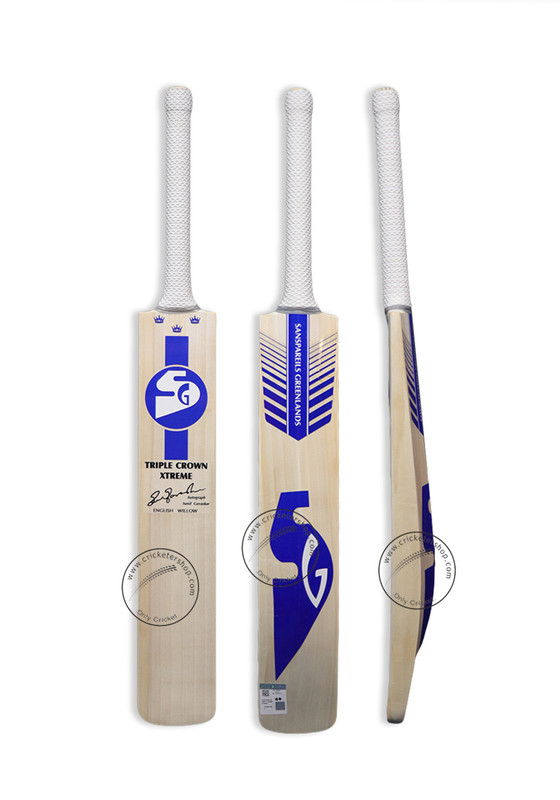
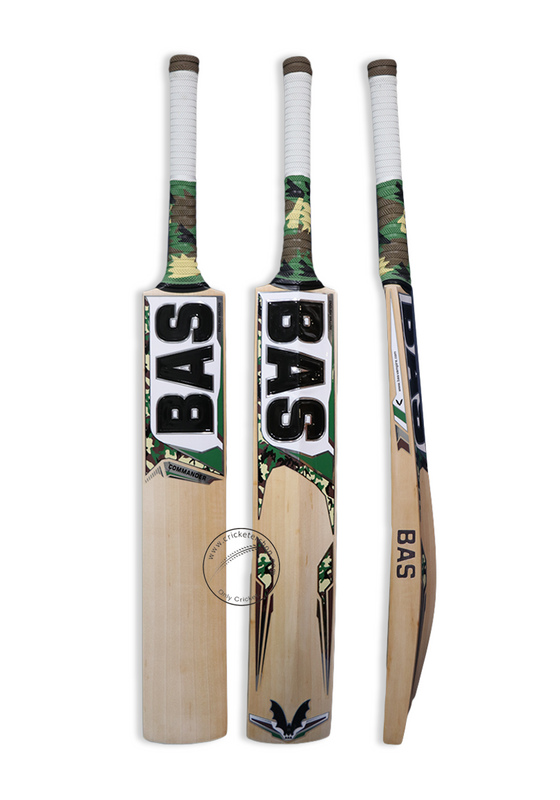
Before using a newly purchased cricket bat in a match, make sure it is ready to play. It is important for a cricket player to learn how to knock on a cricket bat. Since cricket bats can cost anything, it is worthwhile to take the time to ensure they are in excellent condition. The fibers in a cricket bat are compressed during knocking in to create a solid but giving surface.
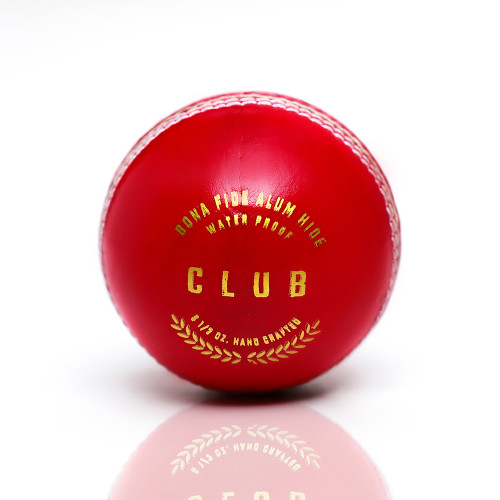
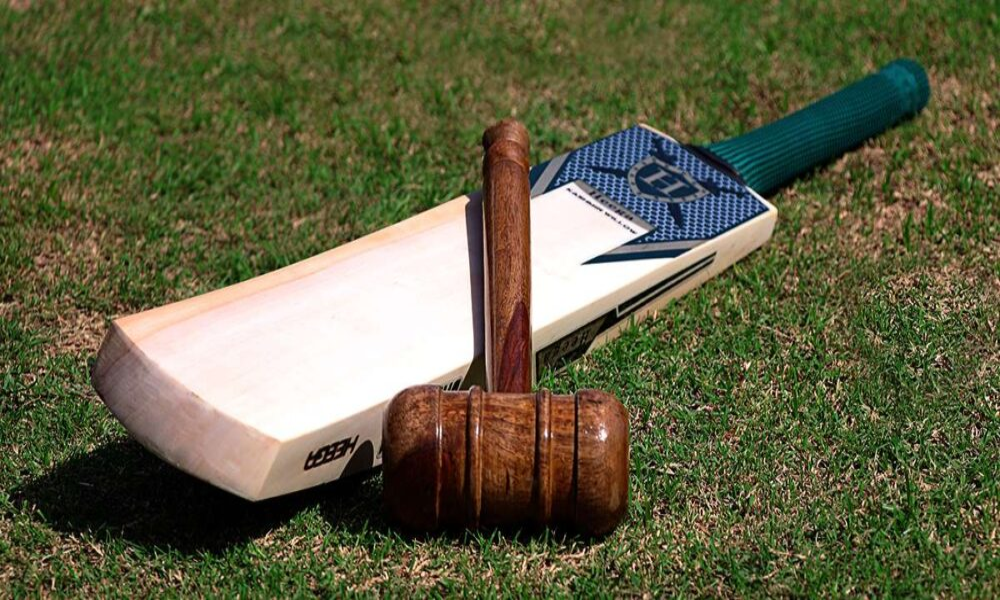
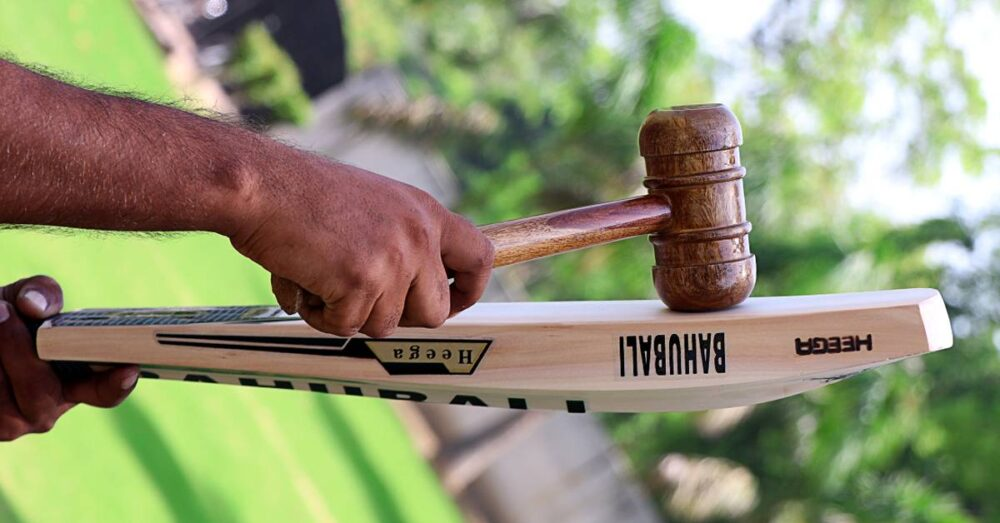
A bat mallet is required in order to knock in a cricket bat. These have a round head, just like a cricket ball, and are made of wood, so they are specifically intended to knock in a cricket bat. Likewise, you can use an old cricket ball inside a sports sock in place of a bat mallet if one is not available. It is crucial to use an old ball when applying the sock and ball method. because the bat might get heavily marked by a new ball. Whichever you choose, give it up to eight hours to take effect. in order to maximize the performance of your cricket bat and prepare it for use in a match. Eight hours is the recommended time by the manufacturers, but if pre-pressed, three to four hours should suffice.
Do you need to knock in a pre-pressed cricket bat?
The procedure that a pre-pressed cricket bat goes through compresses the surface of the blade. A bat is sent through a hydraulic roller in the facility, which can exert pressure of up to two tonnes. This quickens the process of preparing the bat game by compressing the bat’s face. The bat’s thickness can be trimmed in the manufacture by as much as 5 mm. But this ought to just be the beginning of the planning. Once you have the cricket bat in your hands, you should start physically knocking in the bat. If carried out properly, this method will offer you a larger middle and sweet spot.
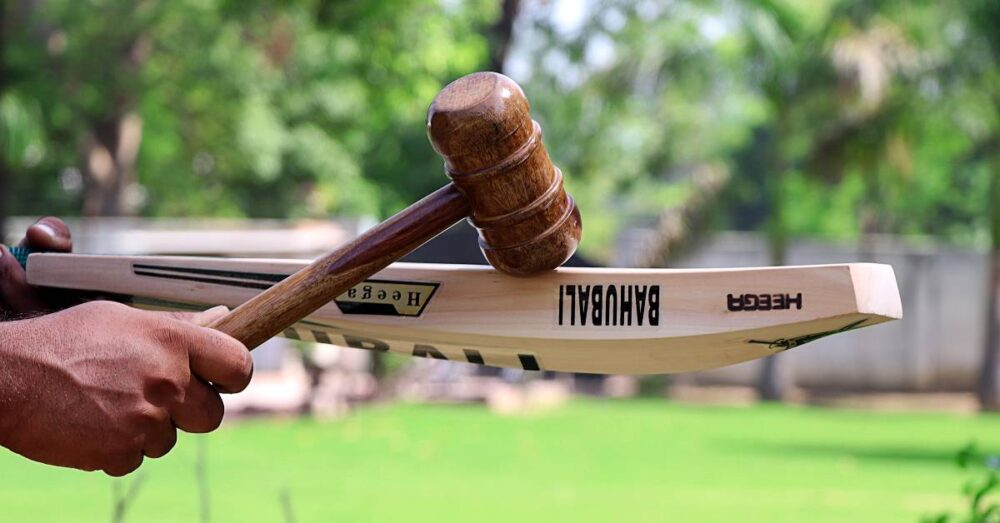
To begin knocking on your cricket bat, you should start by tapping the bat with the bat mallet. Alternatively, use an old cricket ball in a sock. Tap along the face of the cricket bat, around 25mm up from the toe of the bat. Do not knock the toe, as this can speed up cracking in the lower part of the bat. Also, avoid knocking around the handle or splice, as this can weaken this area too. Do focus on the edges as well, as this is a key area and is often used during a cricket match.
Whether you prefer a traditional bat mallet with a round wooden head or opt for the innovative method of using an old cricket ball inside a sports sock, AS SportsNation has you covered. We recognize that not everyone may have a bat mallet readily available, so we provide alternative solutions using common items like an old cricket ball and a sports sock. However, it’s crucial to use an old ball to avoid marking your bat with a new ball.
For cricket enthusiasts in Lucknow, AS SportsNation recommends giving your bat up to eight hours for the knocking-in process to take full effect. This duration aligns with the manufacturers’ recommendations, ensuring that your cricket bat is optimally prepared for a match. If your bat is pre-pressed, three to four hours should suffice, maintaining the high standards we adhere to at AS SportsNation.
Choose AS SportsNation for all your cricket equipment needs in Lucknow. Our commitment to quality and performance sets us apart as the go-to online sports store in the region. Elevate your game with AS SportsNation – where excellence meets affordability.
❓ Frequently Asked Questions (FAQs)
1. How do I know if my cricket bat is fully knocked in?
You’ll know your bat is ready when the surface feels firm and no seam marks appear after light ball impacts. The sound should also become more solid rather than hollow.
2. How long does it take to knock in a cricket bat?
Typically, it takes around 4–6 hours of manual knocking using a mallet, spread over a few days for best results.
3. Can I play with a new cricket bat without knocking it in?
No, using a bat without proper knocking-in can cause cracks or damage. Knocking-in prepares the willow to handle ball impact.
4. Should I oil my cricket bat before knocking it in?
Yes, applying a light layer of linseed oil helps soften the fibers and improves durability. Avoid over-oiling as it can damage the bat.
5. What is the best tool for knocking in a cricket bat?
A wooden mallet is ideal. You can also use an old cricket ball in a sock for controlled knocking.
6. Is machine knocking better than manual knocking?
Machine knocking is faster and convenient, but manual knocking gives better control and ensures even preparation of the bat.
7. How often should I knock in my cricket bat?
You only need to knock in a bat when it’s new. However, light knocking and maintenance can be done occasionally to keep it in good condition.
8. Can over-knocking damage a cricket bat?
Yes, excessive knocking can flatten the bat’s grains and reduce performance. Always knock in moderately and evenly.